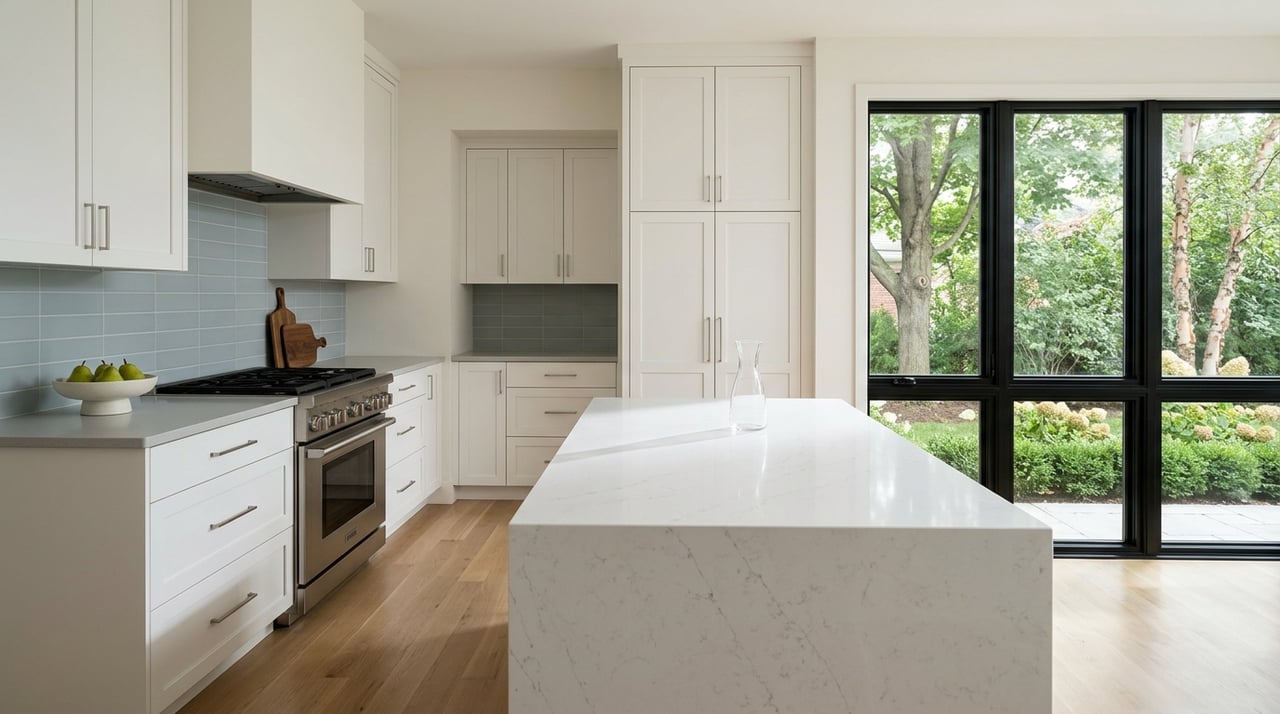
How To Evaluate Madison Neighborhoods As A First-Time Buyer
July 2, 2026
July 2, 2026
Buying your first home in Madison can feel exciting right up until you try to compare neighborhoods. One area looks more affordable, another seems easier for commuting, and a third offers the kind of day-to-day convenience you really want. The good news is that you do not need to find the one perfect neighborhood. You need to find the trade-off that fits your budget and your life best. Let’s dive in.
Before you compare specific neighborhoods, it helps to know what the broader Madison market looks like. In spring 2026, Redfin reported a citywide median sale price of $436,425 and about 41 days on market, while Zillow estimated a typical Madison home value of $429,253 and noted homes going pending in about 7 days. That mix tells you something important: Madison remains competitive, even when neighborhood-level conditions vary.
Your first budget check should also include housing type, not just location. Redfin shows a sizable citywide price gap by product type, with median sale prices around $474,209 for single-family homes, $315,312 for townhouses, and $286,891 for condo and co-op properties. If your budget feels tight, the smartest move may be widening your search to include attached homes or condos in neighborhoods you like.
A neighborhood is not just a dot on a map. It is also a pattern of housing choices, price points, and day-to-day routines. In Madison, first-time buyers often get farther by comparing what kinds of homes are common in each area before they decide what feels best on paper.
If you want a more central location, the east isthmus and nearby neighborhoods give you a wide range of price points and housing styles. Reported neighborhood pricing from current market sources shows Old Market Place around $307,000, Near East around $373,000, Tenney-Lapham around $455,000, Marquette around $475,000, and Downtown around $495,000. That is a big spread in a relatively compact part of the city.
The city’s area plans add useful context here. The east isthmus is described as historic and compact, with the ability to work, shop, and recreate within a short walk. In Marquette, the plan includes single-family homes, two- and three-flats, apartments, and cooperative housing, while Tenney-Lapham emphasizes historic structures and medium-density residential buildings near the Yahara River and Tenney Park.
Downtown is a different kind of search. Redfin’s data identifies it as the most walkable of these central areas, and current listing examples there are mostly numbered-unit addresses in larger buildings. For many first-time buyers, that means a downtown search is often more about condos, loft-style living, and convenience than detached homes with larger lots.
If you picture a classic detached house, parts of Madison’s west side may match that goal more closely. The Midvale Heights-Westmorland plan describes the area as predominantly residential with many 1950s-era ranch homes, plus a smaller number of apartment buildings and condos added over time. That points to a neighborhood pattern with more single-family inventory than many central-city locations.
The trade-off is price. Redfin reported Westmorland at about $633,000 median sale price in May 2026, with very competitive conditions. For a first-time buyer, this is one of the clearest examples of Madison’s bigger pattern: more detached-house living usually comes with a higher entry point.
If affordability is your top priority, it helps to study neighborhoods that offer a lower entry point without assuming every listing will look the same. Leopold stands out in current Redfin data with a median sale price around $239,000 in March 2026. Recent sales included smaller two-bedroom homes or attached units as well as larger homes, suggesting a mixed inventory.
That variety can help if you want flexibility. You may find a more approachable starting price there than in many central or west-side neighborhoods, while still seeing different home sizes and formats. For a first-time buyer trying to stay realistic, that matters.
Sherman is useful when you want a middle-ground example. Recent sales there ranged roughly from $170,000 to $400,000, which gives you a broader set of possibilities than some higher-priced parts of Madison. It can be a practical option if you want to compare price, commute, and housing style all at once.
The city’s North Area Plan says the area includes established neighborhoods, natural areas, and important transportation corridors such as Northport Drive. That makes Sherman worth a closer look if you want something less central than the isthmus but still need workable commuting options.
Neighborhood fit is about more than the house itself. Once you narrow your search, ask how each area will feel on a normal Tuesday. Think about commuting, errands, transit access, biking, parks, and how often you would need to get in the car.
Madison has real neighborhood differences in car-free convenience. Metro says Rapid Route A operates every 15 minutes on weekdays and Saturdays and every 30 minutes on Sundays and holidays. The system uses dedicated lanes, signal priority, and off-board fare payment, and Metro says the BRT route should run about 10% faster.
That matters more in some places than others. Redfin transportation scores show Downtown at 92 walk, 61 transit, and 97 bike. Marquette scores 85, 45, and 98, while Tenney-Lapham scores 81, 46, and 93. Sherman comes in at 64 walk, 39 transit, and 68 bike, which helps illustrate the difference between core neighborhoods and more outer ones.
For you, the question is simple: how often do you want your neighborhood to do the work for you? If you value shorter walks, easier biking, and more transit support, central neighborhoods may justify a smaller home or a different property type. If you want more space or a lower price, you may accept a more car-dependent routine.
Parks shape daily life more than many buyers expect. Madison Parks says it maintains more than 175 playgrounds and offers accessible playgrounds in Brittingham, Elver, Rennebohm, and Warner parks. It also highlights nature-play options at Brittingham, Olbrich, Paunack, Garner, Tenney, Westmorland, and Wingra.
Even if you are not shopping for park access on day one, it can become a bigger factor after you move in. Whether you want green space for walking, relaxing, or meeting friends outdoors, nearby park access adds real everyday value. It is worth noting on your neighborhood comparison list.
One of the most overlooked tools for first-time buyers in Madison is the city’s planning framework. The city says area plans guide the location and type of development, how streets, sidewalks, and bike paths connect, and how parks and other infrastructure are prioritized. The Comprehensive Plan provides the broader vision for housing, jobs, and transportation.
Why does that matter to you? Because a neighborhood is not frozen in time. If you are deciding where to buy for the next 3 to 7 years, understanding how an area may evolve can help you choose with more confidence.
No neighborhood guarantees appreciation, and it is smart to stay cautious about bold resale assumptions. Still, neighborhoods with several demand drivers often appeal to a wider range of future buyers. Those drivers can include walkability, transit access, park access, and proximity to jobs.
Downtown is a strong example of that broader story. The Downtown Area Plan says the district covers roughly 700 acres, is home to about 34,000 residents and more than 60,000 jobs, and is being shaped by BRT plus expected future growth. The West Area Plan is another sign of change, describing 33,000 residents, more than 23,000 jobs, and continued evolution tied to BRT, redevelopment, and growing employment.
That does not mean one area is automatically better than another. It means you should ask a more practical question: what combination of current lifestyle fit and future flexibility feels safest for you?
When buyers get overwhelmed, a scorecard can help. Instead of chasing a perfect answer, compare neighborhoods the same way each time. Keep your categories simple and focused on daily life.
You might rate each neighborhood from 1 to 5 on:
This approach helps you make a calmer decision. A neighborhood that is not your favorite in every category may still be the strongest overall fit.
The best Madison neighborhood for a first-time buyer is rarely the one with the most buzz. It is the one whose compromises feel manageable after the excitement of closing day fades. In practice, that often means choosing between central walkability and more space, lower entry price and more maintenance, or transit convenience and a more car-dependent routine.
If you evaluate neighborhoods through that lens, you will make a more grounded decision. You are not just buying a house. You are choosing how you want your daily life to work.
If you want help comparing Madison neighborhoods in a practical, low-pressure way, Alan Feder can help you sort through price, housing type, commute factors, and resale considerations so you can move forward with confidence.
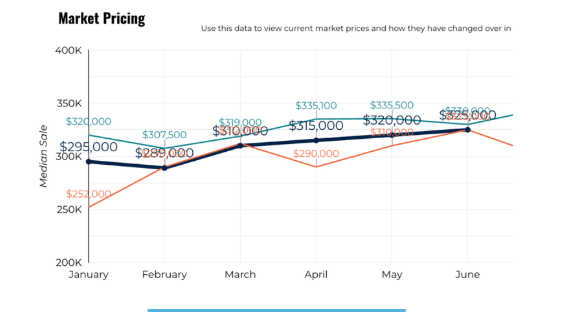
Dane County Home Prices


Clean Lakes Alliance
Alan is committed to delivering a seamless and rewarding real estate experience through expert advice, strategic marketing, skilled negotiation, and exceptional client service tailored to your unique needs.
Alan Feder
ADDRESS 5940 SEMINOLE CENTRE CT STE 310 MADISON, WI 53711