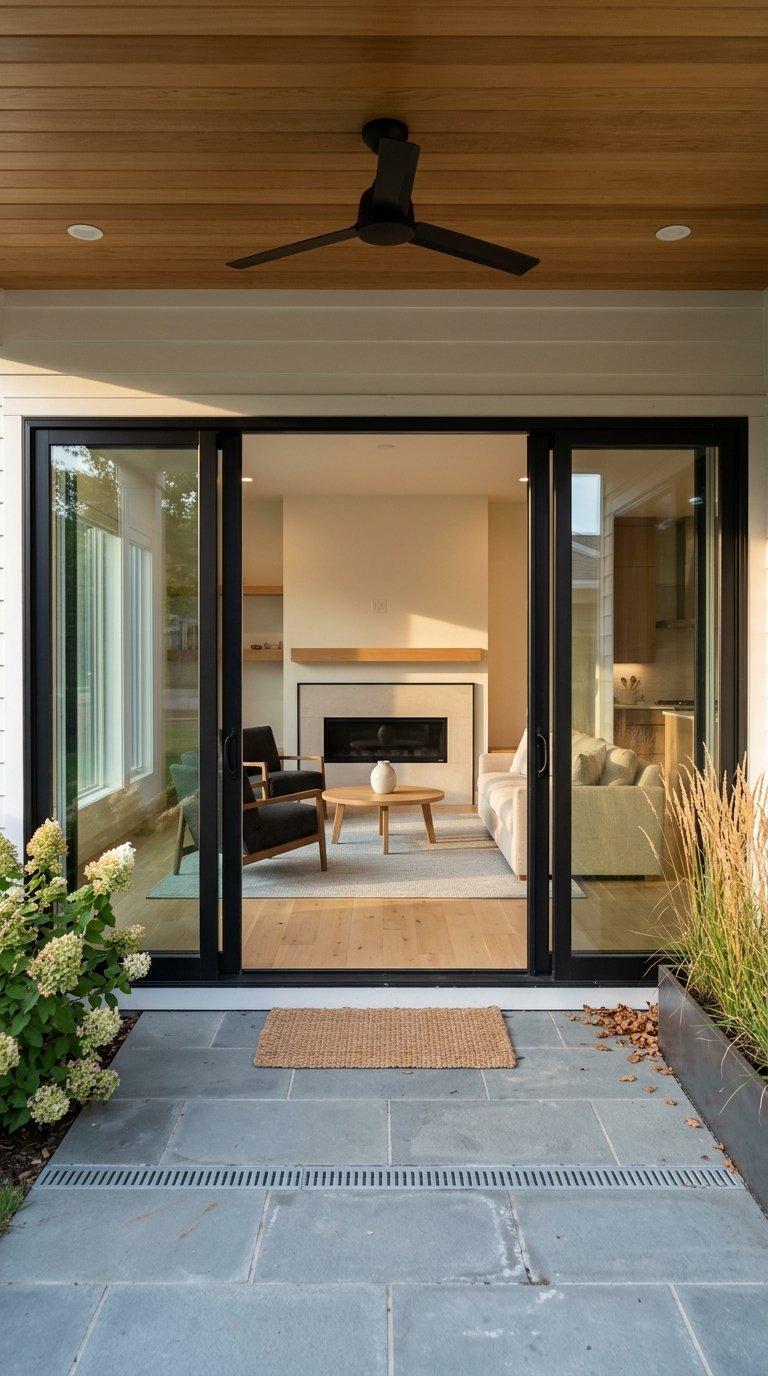
How To Buy And Sell At The Same Time In Madison
July 9, 2026
July 9, 2026
Trying to buy your next home while selling your current one can feel like you need perfect timing in a market that rarely offers it. If you are moving up in Madison, you are probably balancing equity, mortgage payments, showing schedules, and the question of where you will live if one closing happens before the other. The good news is that with the right plan, you can make a two-sided move feel far more manageable. Let’s dive in.
In Madison and Dane County, timing matters because homes are still moving at a competitive pace. Over the three months ending May 2026, Redfin reported that Madison homes received 3 offers on average and sold in about 41 days, while Dane County homes sold in about 47 days. Redfin also reported that 43.1% of Dane County sales closed above list price.
That pace can create pressure for homeowners who need to sell one property and buy another. If your current home sells quickly, you may need your next home lined up sooner than expected. If the home you want comes on the market before your sale is secure, you may need a financing or contingency strategy ready to go.
Before you list your current home, it helps to decide how you want the sequence to work. In Madison, that usually means choosing between selling first, buying first, or creating a short overlap between closings. Each path can work, but the best fit depends on your finances, risk tolerance, and moving needs.
A solid plan should cover more than just dates. You also want to know your estimated sale proceeds, your target purchase budget, how flexible your move-out timing is, and whether you may need a contingency or bridge financing. When you decide those pieces early, you can react faster when the market moves.
For many Madison homeowners, selling first is the simplest and lowest-stress option. This approach can make sense if you need equity from your current home to fund the next purchase or if you want to avoid carrying two mortgage payments at the same time.
In Wisconsin, the standard WB-11 Residential Offer to Purchase includes a Closing of Buyer’s Property Contingency. That means a buyer can make an offer on the next home that depends on the successful sale of the current home. This is one of the clearest ways to protect yourself when your purchase depends on your sale.
The tradeoff is that contingent offers may be less attractive to some sellers in a competitive market. If you choose this route, your sale preparation and pricing strategy matter even more. A clean, market-ready listing can help reduce the time between listing and accepted offer.
Buying first can work well if you can qualify to carry both homes for a period of time or if bridge financing is available to you. This route can give you more control over your move because you can secure the next home before listing your current one.
The Wisconsin WB-11 form specifically recognizes bridge loan financing as part of this strategy. It also allows a buyer to show proof of sufficient funds to close in order to waive the buyer’s-property contingency. In practice, that means buying first is a real option in Wisconsin, but it works best when your financing plan is clear before you start making offers.
The biggest benefit is convenience. You may avoid temporary housing, storage, or a rushed home search. The biggest risk is financial overlap, since you may be responsible for two housing payments until your current property sells.
Sometimes the best answer is not selling first or buying first. It is building a small overlap between the two closings. That can give you time to move in stages, avoid back-to-back stress, and reduce the chance of a same-day moving scramble.
In Wisconsin, occupancy normally transfers to the buyer at closing unless the offer or an attached addendum says otherwise. That means if you need to stay in your current home for a few extra days after closing, or if you need early access to the next home, that arrangement needs to be negotiated and written into the contract.
This is not something to leave to a handshake or last-minute conversation. If your move depends on overlap, bring it up early and make sure it is documented properly.
If you are buying while selling, there is a good chance your offer may include a contingency. Wisconsin’s WB-11 also includes a bump-clause structure, which is important to understand in a market like Madison.
If a seller accepts a secondary offer, a contingent buyer may have a short deadline to waive the contingency or provide proof of funds or bridge financing. If that does not happen in time, the offer can become void. That is why contingent offers work best when you have fast communication, lender coordination, and a backup plan already in place.
One of the smartest ways to reduce stress is to do your prep work before your home hits the market. When you are trying to buy and sell at the same time, delays on the listing side can affect everything that comes after.
Wisconsin seller disclosure rules matter here. For most transfers of one- to four-family residential property, the owner must provide a Real Estate Condition Report within 10 days after acceptance of a contract. The report is a disclosure, not a warranty, and it covers topics such as the roof, electrical system, plumbing, heating and cooling, foundation, well and septic systems, permits, easements, hazardous substances, and other defects.
If a buyer receives the report late, or receives an amended report that newly discloses a defect, Chapter 709 gives the buyer a short rescission right. For you, the practical takeaway is simple: gather repair records, permit information, condo or HOA documents if they apply, and notes about known issues before you list.
Presentation can make a real difference when you need your home to sell efficiently. According to the 2025 Profile of Home Staging, 29% of seller agents said staging increased the dollar value offered by 1% to 10%, and 49% said staging reduced the time a home spent on the market.
The same report found that buyers’ agents saw the living room, primary bedroom, and kitchen as the most important rooms to stage. If your goal is to shorten the gap between listing and accepted offer, those areas are a smart place to focus first.
In practical terms, that usually means decluttering, deep cleaning, small repairs, curb appeal work, and making your home easy to show. Better presentation cannot guarantee timing, but it may help reduce friction during a move that already has a lot of moving parts.
A simultaneous move works better when you build your timeline around the deadlines that matter most. In Wisconsin, the WB-11 form includes contingencies tied to inspection, appraisal, and financing commitment. Those dates can affect both your sale and your purchase.
For example, inspection timing on the home you are buying may overlap with showings or negotiations on the home you are selling. Appraisal timing can affect closing readiness on either side. Financing commitment deadlines can shape how much flexibility you really have.
A clear calendar helps you stay ahead of those pressure points. Instead of thinking only about list date and closing date, think about the full sequence between them.
Because Madison remains competitive, the best approach is usually to plan before the first showing or home tour happens. That means understanding your options, preparing your current home early, and choosing a purchase strategy that matches your finances and comfort level.
Some homeowners will feel best selling first and protecting the purchase with a contingency. Others will prefer to buy first with strong financing in place. And many will benefit from negotiating a small overlap so the move feels less rushed.
The goal is not a perfect script. The goal is a plan that gives you choices when the market does what it does.
If you are weighing how to buy and sell at the same time in Madison, working with a calm, local advisor can make the process much easier to manage. Alan Feder helps buyers and sellers across Madison and Dane County think through timing, prep, pricing, and next-step strategy so you can move with more confidence.


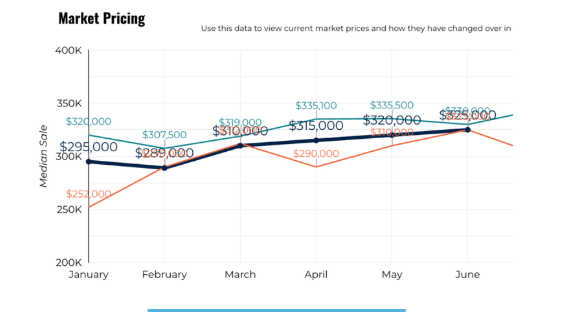
Dane County Home Prices


Clean Lakes Alliance
Alan is committed to delivering a seamless and rewarding real estate experience through expert advice, strategic marketing, skilled negotiation, and exceptional client service tailored to your unique needs.

Alan Feder
ADDRESS 5940 SEMINOLE CENTRE CT STE 310 MADISON, WI 53711