Your Fitchburg Inspection Report Was Written the Day the Subdivision Broke Ground
September 3, 2026
September 3, 2026
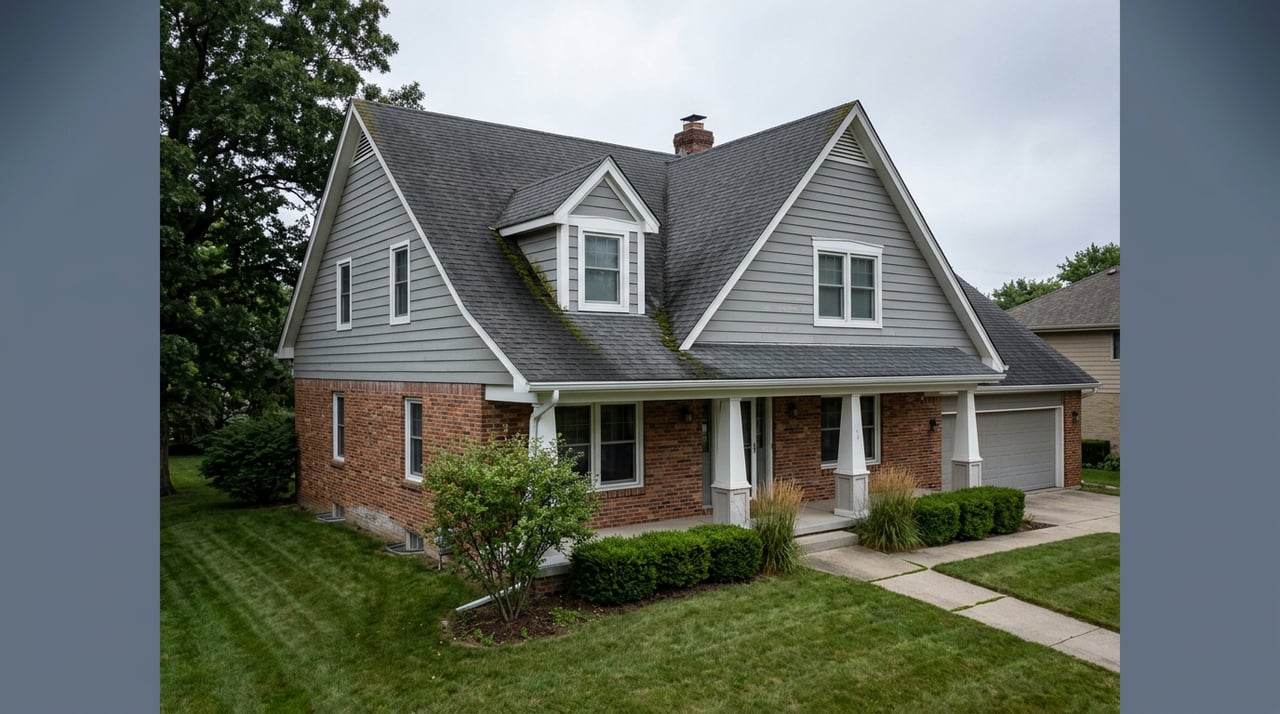
A buyer under contract on a four-bedroom in Seminole Forest gets the radon results back: 7.9 picocuries per liter, nearly double the level the EPA says should trigger a fix. They call asking if they got unlucky. They didn't. The subdivision went in during the 1980s as a Parade of Homes development, which means every slab, every panel, and every original well seal in the neighborhood is now the same age, waiting to fail the same test in roughly the same window.
That's the piece of this market that doesn't show up in a median price or a days-on-market number. In Fitchburg, what an inspection turns up has less to do with luck and more to do with when the streets around the house were platted.
Dane County carries the EPA's Zone 1 designation, the agency's highest radon-potential tier, meaning average indoor levels have a real chance of running above 4.0 picocuries per liter, the threshold at which the EPA recommends mitigation. That's true whether the house sits downtown or off Lacy Road. Every home in Fitchburg is exposed to that baseline risk, not just the old ones.
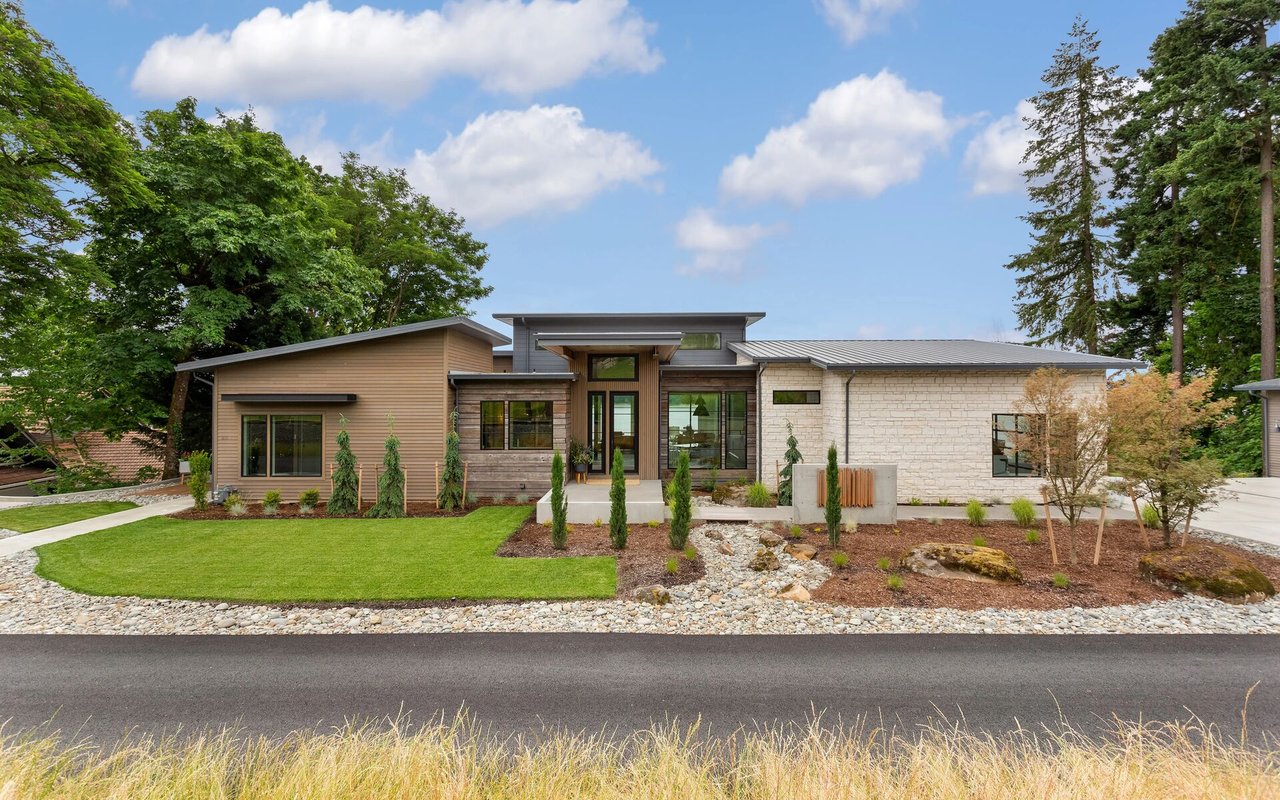
What isn't uniform is when a house actually gets tested for the first time, and that timing tracks the build year far more than it tracks chance. Seminole Forest and Seminole Ridge, two of the named subdivisions off Seminole Highway, both went up within a few years of each other in the 1980s and early 1990s, on the same cul-de-sac street plan, with the same slab and framing methods. Seminole Ridge in particular leans on Colonial Revival and New Traditional styling with some midcentury modern influence from the Prairie School, and Seminole Forest's lots run large and wooded with homes frequently over 3,000 square feet. Handsome houses, but the mechanical bones underneath were poured within a few years of each other, and now they're somewhere around 32 to 46 years old at the same time.
That means an inspector working this pocket of the city sees the same short list of items again and again: original electrical panels from an era when brands like Federal Pacific or Zinsco were standard, aging cast iron drain lines, and basement grading that hasn't been touched since the original build. None of it is a defect specific to one address. It's a cohort effect, and it's predictable if you know which decade the subdivision belongs to.
| Housing stock | Typical build era | Common inspection flags | Rough cost to address |
|---|---|---|---|
| Seminole Forest, Seminole Ridge | 1980s to early 1990s | Radon above 4.0 pCi/L, original electrical panels, aging cast iron lines, basement moisture from old grading | Radon mitigation typically runs $800 to $2,500 depending on foundation type; panel and drain line work priced individually |
| Newer construction, such as Highfield Reserve | Recent builds | Insulation gaps, air sealing, HVAC installation details, grading around fresh foundations | Usually addressed through builder warranty rather than out-of-pocket repair |
Radon-resistant techniques are increasingly used in new construction, which can lower the baseline risk somewhat. It doesn't erase it. New builds still get tested, and they still turn up their own category of findings, mostly around insulation and air sealing rather than radon or panels. The point isn't that new is safe and old is risky. It's that each era has a signature, and a seller who knows which signature applies to their address can get ahead of it instead of reacting to it three weeks before closing.
Dane County's Zone 1 status isn't a marketing phrase. The EPA's Map of Radon Zones puts every county in the country into one of three tiers based on geology, soil parameters, and aerial radioactivity data, and Dane County sits in the tier characterized as having the highest potential for average indoor levels to exceed the action threshold. Wisconsin has 26 counties in that same top tier, and UW-Madison's Environment, Health and Safety office describes it plainly: this is a soil condition, not a construction defect, and testing is the only way to know where a specific house lands.
That framing changes the negotiation. When a radon reading comes back high during a buyer's inspection period, the seller is suddenly negotiating from a position of surprise, on the buyer's timeline, often with a short contingency window already ticking. When a seller tests before listing, the negotiation flips. They know the number, they've priced the fix, and they can choose their own contractor rather than accepting whichever one the buyer's side prefers. Mitigation systems typically run in the $800 to $2,500 range, and a seller who's already budgeted for that doesn't lose the deal over it.
Wisconsin doesn't require a home inspection to close a sale. It does require every seller to complete a Real Estate Condition Report under Wisconsin Statute 709.02, answering specific questions about the property's condition to the best of their knowledge. The report isn't a warranty and it isn't a substitute for an inspection, but it is a legal disclosure, and the timing matters more than most sellers realize.
Statute 709.035 requires an owner who learns something before an offer is accepted that would change one of their answers to submit an amended report. In practice, that means a seller who waits to test until they're already fielding offers can end up needing to disclose a bad radon number mid-negotiation, at the worst possible moment for leverage. A seller who tests months before listing, fixes what needs fixing, and lists with a clean report avoids that scramble entirely. The law doesn't punish early testing. It punishes late discovery.
Does Wisconsin require a home inspection before closing? No. It's not a legal requirement, but it's strongly recommended given the state's older housing stock, long winters, and the freeze-thaw stress that shows up in basements and foundations across Dane County.
What happens if my test comes back above 4.0 pCi/L? You have two practical paths: ask the seller for a credit and handle mitigation yourself, which gives you control over system placement, or ask the seller to complete the work before closing, which shifts the cost and the contractor choice to them. Neither is automatically better. It depends on your timeline and how much you want to manage the installation yourself.
Whether you're weighing a purchase in Seminole Forest or getting ready to list something that's been in the family since the original Parade of Homes, the details that decide your outcome usually show up months before the inspection, not during it. If you want a straight read on what your specific address is likely to face and what it's worth doing before you list, Madison Home Guides is a good place to start that conversation. Let's Connect.

Alan is committed to delivering a seamless and rewarding real estate experience through expert advice, strategic marketing, skilled negotiation, and exceptional client service tailored to your unique needs.
Alan Feder
ADDRESS 5940 SEMINOLE CENTRE CT STE 310 MADISON, WI 53711