Living in Madison WI: A Closer Look at Lifestyle and Housing
June 25, 2026
June 25, 2026
Wondering what daily life in Madison, Wisconsin actually feels like? If you are thinking about moving here, buying your first home, or making a move within Dane County, you probably want more than a list of facts. You want a clear picture of the pace, housing choices, commute, and lifestyle so you can decide if Madison fits the way you want to live. Let’s dive in.
Madison is a growing capital city with an estimated 286,233 residents in 2025, while Dane County has about 590,375 residents. That gives Madison a distinct role in the county. It feels more urban, more connected, and a bit denser than many nearby communities.
Daily life here tends to feel accessible. The city’s average commute time is 19.4 minutes, compared with 20.6 minutes across Dane County. That shorter travel time helps support a lifestyle where work, errands, recreation, and social plans can often fit into the same day without long drives.
Madison also has a strong public identity. The Wisconsin State Capitol sits at the center of downtown on the isthmus between Lake Mendota and Lake Monona, and the UW-Madison campus adds another major layer of activity, events, and energy. Together, they shape a city that often feels busy in a good way.
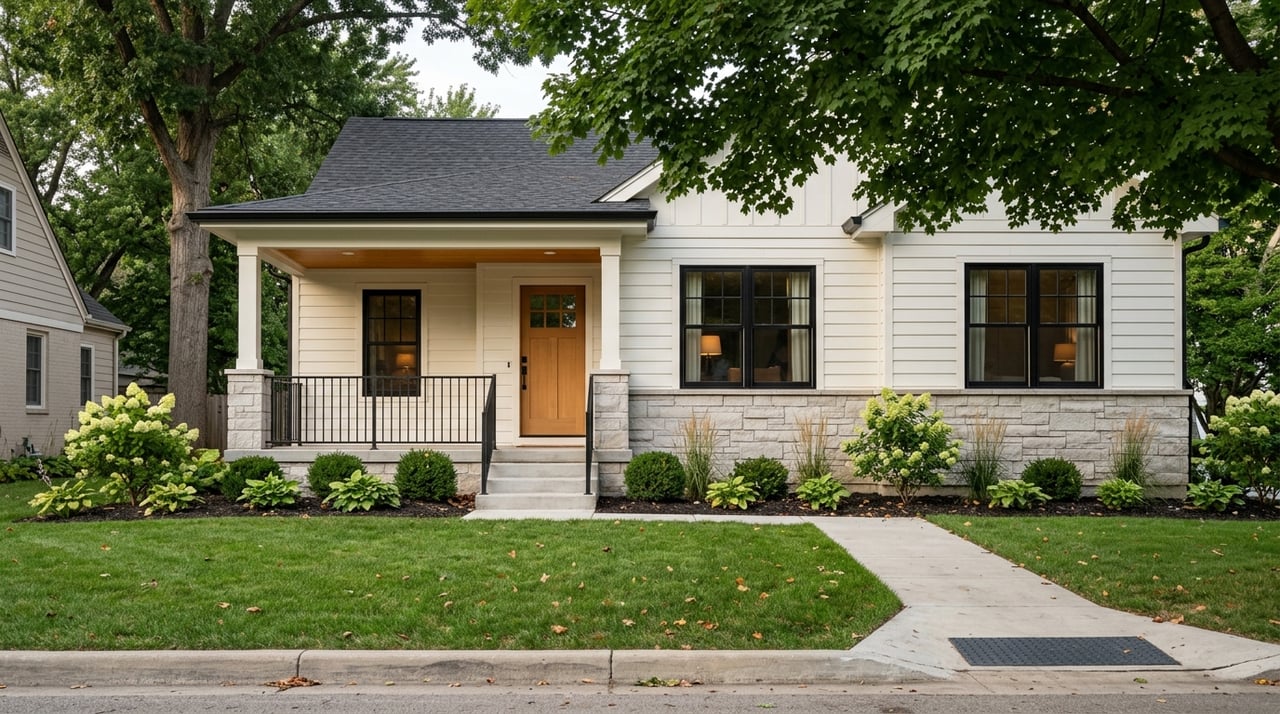
One of the biggest surprises for many buyers is how mixed Madison’s housing stock really is. It is not just a city of single-family neighborhoods, and it is not just an apartment market either. You will find detached homes, attached homes, smaller multi-unit buildings, larger apartment communities, condos, and newer infill development.
The city’s housing mix is roughly 42% detached one-unit homes, 5% attached one-unit homes, 12% 2-to-4 unit buildings, 15% 5-to-19 unit buildings, and 26% 20+ unit buildings. That variety gives buyers and renters more ways to match home type with budget, location needs, and lifestyle goals.
Madison is also more renter-friendly than the surrounding county. The city’s owner-occupied rate is 46.0%, while Dane County’s is 57.1%. In practical terms, that means Madison often offers more condo and rental options than nearby suburban areas.
If you want a detached home, Madison absolutely has established ownership neighborhoods. In fact, about 91.7% of the city’s one-unit housing structures are owner-occupied. That suggests many single-family areas still function as stable homeowner-focused parts of the city.
If you are open to condos, apartments, or newer mixed-use areas, Madison gives you a lot to explore. From 2015 to 2024, most new housing completed in the city was in multifamily buildings, especially larger projects. Much of that new supply has been concentrated in transit-oriented and infill areas, which helps explain why some parts of the city feel especially new, walkable, and connected.
Madison has a strong rental market, but it is not a loose one. Late-2025 stabilized rental vacancy was 4.8%, which the city says is still below a healthy balance of supply and demand. If you plan to rent before buying, or if you want flexibility during a relocation, it helps to expect competition in many segments.
The median gross rent in Madison is $1,413. For ownership, the median value of owner-occupied housing units is $372,900. Those numbers do not tell the whole story for every neighborhood or property type, but they do offer a useful baseline when you are starting your search.
Where you live in Madison can change how the city feels day to day. Newer apartments and condos are often concentrated closer to the core and redevelopment areas. Newer single-family housing is more likely to be found near the city’s edges.
That means your routine may look very different depending on your location. In one part of Madison, you may be able to combine walking, biking, and transit for much of the week. In another, you may have a more traditional residential feel with a stronger focus on driving and larger-lot housing.
This is one reason buyers relocating from out of town benefit from local guidance. Madison is compact in some ways, but its housing choices and neighborhood patterns still create very different lifestyles from one area to the next.
Madison stands out for mobility. Yes, plenty of people drive, but many residents also mix in biking, walking, and transit depending on where they live and work. That flexibility is a real part of the city’s lifestyle.
Metro Transit serves residential neighborhoods, the Isthmus, shopping districts, parks, entertainment venues, schools, and universities. The system includes Bus Rapid Transit Route A, which runs every 15 minutes on weekdays and Saturdays, and every 30 minutes on Sundays and holidays. Current routes also connect to nearby communities like Monona, Sun Prairie, and Verona.
Madison is also known for active transportation. The city says biking is one of the most popular ways to get around, and Madison currently holds Platinum Bicycle Friendly Community status and Gold Walk Friendly Community status. For many residents, this is not just a nice extra. It is part of everyday convenience.
In some cities, water is just scenery. In Madison, the lakes are part of how people actually live. The city is surrounded by more than 15,000 acres of lakes, and that shapes both recreation and the look and feel of the city.
Madison maintains lakefront piers and launch sites on Lake Mendota and Lake Monona for kayaks, sailboats, motorboats, and other craft. Beaches are typically maintained from Memorial Day weekend through Labor Day weekend, and lake water quality is monitored during swimming season by Public Health Madison & Dane County. That makes warm-weather lake use feel more built into daily routines.
You see this in local patterns all summer long. Residents head to waterfront parks, spend time paddling, meet up near the shore, or simply build outdoor time into the week. Even if you are not a boat owner, access to lakefront spaces can play a big role in how Madison feels.
Madison is very much a four-season city. Summer often revolves around beaches, lake access, and waterfront parks. Spring and fall shift attention toward trails, green space, and lake views.
Winter does not shut the city down. Cold-weather recreation, skating, and frozen-lake activities remain part of the seasonal rhythm. Parks like Olin Park and Vilas Park show how outdoor space here is used year-round rather than just during peak summer months.
Madison’s culture is shaped by a few major anchors that show up in everyday life. The Capitol creates a visible civic center. UW-Madison brings campus energy, events, and activity. The result is a city that often feels engaged and outward-facing.
The arts and music scene also benefits from that layout. UW-Madison describes venues and performances near Capitol Square and surrounding streets as clustered within blocks of each other, which helps make local culture feel approachable rather than spread out.
Another signature Madison routine is the Dane County Farmers’ Market on the Square. It is described by Destination Madison as the country’s largest producer-only farmers’ market, and it takes place around the State Capitol grounds. For many residents, that kind of weekly public gathering says a lot about the city’s personality.
If you are choosing between Madison and a nearby community, it helps to understand Madison in county context. Madison is the more urban, transit-connected, and renter-heavier core of Dane County. Surrounding communities often lean more toward traditional homeownership patterns.
That does not mean one option is better than the other. It means the fit depends on what matters most to you. If you want easier access to transit, denser amenities, and a wider mix of housing types, Madison may stand out. If you want a more suburban pattern, your search may naturally expand beyond the city limits.
For many people, Madison feels like a city where you can stay active, keep your commute manageable, and choose from a wider range of housing than you might expect in a mid-sized market. It has the energy of a capital city and university town, but it also has a strong outdoor lifestyle shaped by lakes, parks, and seasonal routines.
It is a place where your day might include a quick commute, a bike ride or bus trip, time by the water, and a stop downtown or around the Square. If that balance sounds appealing, Madison is worth a closer look.
If you are thinking about buying, selling, or relocating in Madison or the surrounding Dane County communities, Alan Feder can help you compare neighborhoods, understand your options, and move forward with clear, honest guidance.

Hidden Gems, Roadside Oddities & Other Adventures
Alan is committed to delivering a seamless and rewarding real estate experience through expert advice, strategic marketing, skilled negotiation, and exceptional client service tailored to your unique needs.
Alan Feder
ADDRESS 5940 SEMINOLE CENTRE CT STE 310 MADISON, WI 53711